
Exploring Carob Beans Their Importance and Versatile Uses in Various Industries
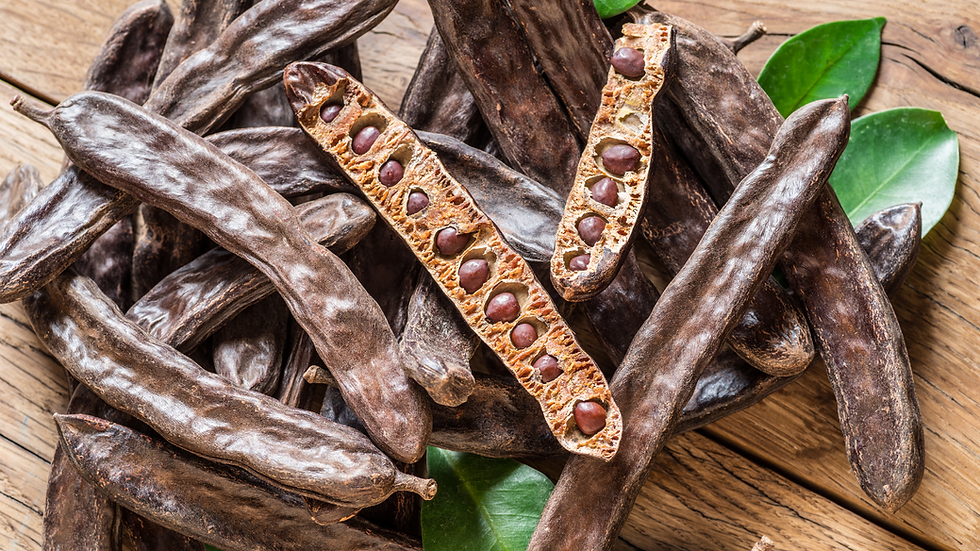
Carob beans have gained attention beyond their traditional use as a chocolate substitute. These pods from the carob tree offer a range of benefits and applications across different sectors. Understanding carob beans reveals their potential as a sustainable, nutritious, and versatile resource.
What Are Carob Beans?
Carob beans come from the carob tree, scientifically known as Ceratonia siliqua. This evergreen tree thrives in Mediterranean climates and produces long, dark brown pods. Inside each pod are seeds surrounded by a sweet, edible pulp. The beans themselves are hard and shiny, often ground into powder or processed into syrup.
Carob powder is naturally sweet and caffeine-free, making it a popular alternative to cocoa. Unlike chocolate, carob contains no theobromine, which some people avoid due to sensitivity or health reasons.
Nutritional and Health Benefits
Carob beans offer several nutritional advantages:
Low fat content compared to chocolate
Rich in dietary fiber, which supports digestion
Contains natural sugars that provide sweetness without added sugar
Source of antioxidants that help protect cells from damage
Free from caffeine and theobromine, suitable for those sensitive to stimulants
Research suggests carob may help reduce cholesterol levels and support digestive health. Its fiber content promotes a feeling of fullness, which can aid in weight management.
Applications in the Food Industry
Carob’s natural sweetness and chocolate-like flavor make it valuable in food production:
Baking: Carob powder replaces cocoa in cakes, cookies, and muffins, offering a milder taste and lower fat content.
Confectionery: Used in carob bars, chips, and coatings as a chocolate substitute.
Beverages: Carob syrup and powder are ingredients in drinks, providing a sweet, rich flavor without caffeine.
Animal feed: Carob pods are sometimes used as nutritious feed for livestock.
Food manufacturers appreciate carob for its allergen-friendly profile, as it is free from common allergens like nuts and gluten.
Role in Agriculture and Environment
Carob trees are drought-resistant and thrive in poor soils, making them an eco-friendly crop choice. Their cultivation supports:
Soil conservation by preventing erosion
Carbon sequestration through long-lived trees
Sustainable farming in arid regions where other crops struggle
Farmers benefit from carob trees as a low-maintenance source of income. The pods can be harvested once a year, and the trees require minimal irrigation.
Industrial Uses Beyond Food
Carob beans also find applications in non-food industries:
Pharmaceuticals: Carob extracts are used in natural remedies and supplements for digestive health.
Cosmetics: Carob’s antioxidants and natural sugars contribute to skin care products, offering moisturizing and protective effects.
Bio-based materials: Research explores carob gum as a thickener and stabilizer in various products, including biodegradable films.
These uses highlight carob’s potential as a renewable resource that supports greener product development.
Economic and Cultural Significance
In Mediterranean countries, carob has historical importance as a food source during times of scarcity. Today, it supports local economies through cultivation and processing industries. Countries like Spain, Italy, and Cyprus export carob products worldwide.
Carob’s cultural role extends to traditional recipes and festivals celebrating the harvest. Its versatility helps preserve agricultural heritage while adapting to modern market demands.
Challenges and Future Prospects
Despite its benefits, carob faces challenges:
Limited awareness among consumers compared to chocolate
Variability in pod quality depending on climate and cultivation practices
Need for improved processing techniques to enhance flavor and texture
Ongoing research aims to improve carob varieties and develop new applications. Growing interest in plant-based, allergen-free, and sustainable foods positions carob as a promising ingredient for the future.

Maşallah